
From timely knowledge and practical guidance to personal perspectives and experiences, these posts sparked conversation, answered questions that were important to you, and reflected which topics our community was most interested in reading about over the past year. Articles on self-care, communicating with loved ones, and complementary therapies were balanced out with a popular interest in genetics, treatment side effects, and metastatic recurrence. Here is a countdown of your favorite blogs from 2025:
10. Familial vs Hereditary Breast Cancer: What’s the Difference?
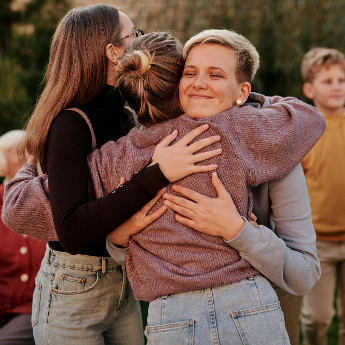 About 5% to 10% of breast cancer cases are passed down through families. These are caused by changes (commonly known as mutations) in certain genes, like the BRCA1 and BRCA2 genes, that are inherited from a parent. This is hereditary breast cancer. However, most people who get breast cancer do not have one of these inherited gene changes.
9. Caring for Your Skin Throughout Breast Cancer Treatment
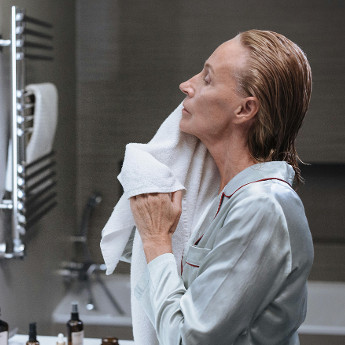 Going through breast cancer treatment can take a toll on your skin, making it more sensitive to issues like dryness, itching, rashes, and hyperpigmentation. While skin problems may seem less urgent compared to serious side effects, they can still greatly impact your daily life.
8. Still Burning: Cancer-free but the Heartburn Won’t Quit
 Only after being diagnosed with breast cancer and undergoing surgery and treatment did the burning in my throat and chest—the uncomfortable, dry and always-on-fire feeling of heartburn—become a constant in my life. Single-digit years now, cancer-free, I'm still carting a container of Tums in my black Lululemon Everywhere Belt Bag.
7. I Faced Cancer—Then I Faced Him. How One Man’s Bias Tried to Sink Me
 When I first started swimming again, post cancer, I couldn’t manage 25 metres of front crawl—formerly my best and fastest stroke—without stopping to catch my breath. Panting, I’d roll onto my back halfway down the lane and lie there inhaling deeply before rolling back over and making my way to the other end of the pool. Despite undergoing physiotherapy and taking an adult “Learn to Swim” class to ensure my body could actually handle the movements, my body still betrayed me.
6. The Power of Touch: How Massage Therapy Can Support Breast Cancer Patients
 Receiving a breast cancer diagnosis can turn your world upside down. It can alter your life to one filled with fear, uncertainty, and a whirlwind of treatment options. In the midst of this chaos, many patients discover the potential of massage therapy as a complimentary therapy. This gentle, restorative treatment not only offers relief from physical discomfort but also nurtures emotional well-being and enhances overall quality of life.
5. What Are the Other Breast Cancer Genes?
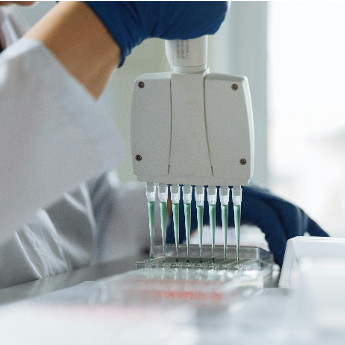 Awareness of the various genetic mutations that can lead to breast cancer is necessary in understanding the risk factors for the disease, particularly when it comes to hereditary forms. While mutations in the BRCA1 and BRCA2 genes are now well-publicized, there are other, lesser-known genetic mutations which can significantly increase the likelihood of developing breast cancer as well. Understanding these genetic risks allows individuals to make informed decisions about their health, from preventive measures to early detection strategies.
4. How Surgery, Treatment & Tamoxifen Impact Your Sleep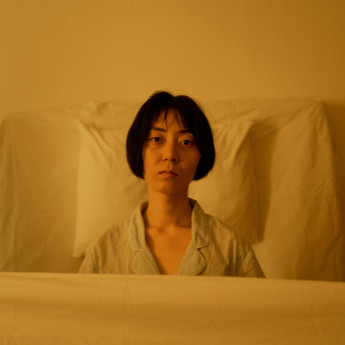
I vividly remember the first night, after I found out I had breast cancer. I was lying in bed, wide awake with my eyes closed, listening to
Trixie the cat purring beside me. My body was heavy, but my mind was wild, racing with thoughts of nothing and everything all mashed together. That was the beginning of a new kind of insomnia. Not the kind where you just can’t fall asleep, but the kind where sleep feels like something you used to do in a different lifetime but can’t access any more
3. Seven Ways to Respond to Family and Friends’ Reactions to Your Breast Cancer
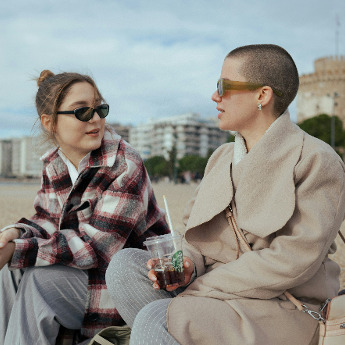 Yet, the thought of having to say that “I have cancer” out loud to my family and close friends wasn’t something I wanted to do. It made me feel like I was looking for attention. That’s because having cancer is surreal and warps reality. It was near impossible for me to wrap my head around. Sharing this information felt deeply personal and required me to be vulnerable, strong and courageous all at the same time. No easy feat. So of course, once I confided in my circle of family and friends, I wanted them to say and do the things I needed.
2. Breast Cancer Treatment and Travel: How to Plan a Safe Trip
 Warm weather is just around the corner, and although traveling during or after breast cancer treatment may not be the first thing that comes to mind, it can be safe and even beneficial for your mental wellbeing. Depending on your treatment plan and how your body responds, travel might be possible; however, some individuals may need to wait until their treatment is complete. The key is to consult your healthcare team to ensure travel aligns with your treatment plan and take these tips into consideration.
1. Understanding Metastatic Breast Cancer Recurrence
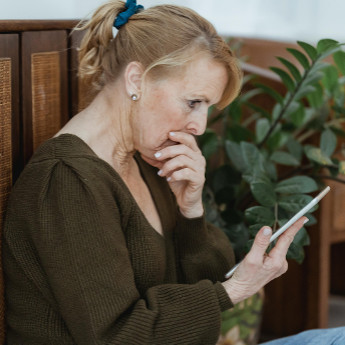
Metastatic breast cancer may come back months or even years after the original diagnosis and treatment. Even after successful treatment, some cancer cells may stay in the body without being detected. This can be a scary and overwhelming experience but understanding what’s happening and what to expect can help you make informed decisions about your health.


 Receive updates by email

