
By Jacqueline Beatty
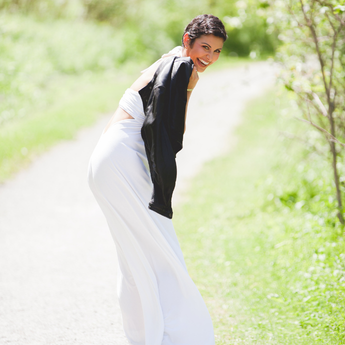 Hearing that I had cancer at 40 was one of the scariest moments of my life. I was healthy; fitness and wellness had always been part of my life. I was a mother of two young girls and a stepson.
I can still remember how quickly life changed in that moment. One conversation instantly shifted my focus from everyday life to wondering what the future would look like for me and my family.
"Why is this happening to me?" was my immediate thought, followed quickly by, "Will I die?"
Although I had always tried to take care of myself, in the last two years before my diagnosis I had become truly committed to my health. I had recently become a yoga teacher, adopted a vegan lifestyle, and decided alcohol no longer had a place in my life, even though I was never a consistent drinker and only enjoyed it on special occasions. My mindset had always been that you cannot always control when illness is going to hit you, but I wanted to be at the top of my health so I could face and overcome whatever came my way.
So when I was diagnosed, I was ready for the battle mentally and physically, but I also realized I needed to do even more to move through the hardest battle of my life.
I knew wellness would never replace my medical treatment, but I believed it could support it.
While my oncologists and surgeons focused on treating my cancer, I needed to focus on caring for the person living through cancer.
I couldn't control my diagnosis, but I could influence how I cared for my body, mind, and energy each day.
My battle was 10 months long. Three surgeries, multiple scans and tests, invasive biopsies, chemotherapy, and finally bilateral mastectomies with immediate breast reconstruction. I realized early on the importance of stress management and decided shortly after my diagnosis that I would stop working and fully focus on beating cancer and recovering.
I really had to give myself permission to slow down. One way I did this was by starting each day with a walk along the waterfront. Even in -20°C weather, I still tried to go by the water whenever I was able. I called this my walking meditation, no distractions, just me and the water.
During these moments, I was often able to quiet the noise building in my mind and prepare myself for the day ahead.
Looking back, those walks weren't really about exercise. They became one of the few places where cancer wasn't controlling every thought. They reminded me that reducing stress wasn't a luxury; it became part of my healing.
Music was another source of comfort during moments of stress. I had playlists for when I needed to feel strong and playlists for when I needed to release emotions buried inside of me. Strength was something people often expected from me, but I also needed permission to mourn and grieve what I had lost.
Cancer stripped me of the belief that I was invincible.
It humbled me.
It reminded me that tomorrow truly is not guaranteed.
Other daily stress relievers included my gratitude journal and documenting my cancer journey. I originally started the journal so that one day I could share it with my girls, but it also became incredibly healing for me. Looking back now, it allows me to remember the difficult moments I overcame while also helping me continue releasing them.
Another vulnerable but important decision I made was sharing my journey on social media. I wasn't sure what this battle had in store for me, but I knew I needed to tell my story. Through conversations, questions, and the incredible support of others, I discovered treatments and wellness practices beyond traditional medicine and learned just how much lifestyle can support treatment and recovery.
Movement became one of the most important ways I supported my body throughout treatment and recovery.
Don't get me wrong, there were days when I couldn't get out of bed because of the side effects of chemotherapy or surgery. But because I was starting from a place of strength, I was able to return to movement sooner than I expected.
I started slowly with mobility work, standing Pilates when I couldn't move my upper body, and yoga to support both my physical and mental well-being. As my strength returned, I gradually introduced weights again.
One of the greatest gifts I gave myself before treatment was building a foundation of strength. It didn't eliminate the side effects of chemotherapy or surgery, but it gave me somewhere to begin when I was ready to move again. Recovery begins before surgery whenever possible.
If you know your body, returning to movement can feel more intuitive, but working with a fitness professional who specializes in cancer rehabilitation can also be incredibly valuable.
I created a goal for myself: to run a race with my daughter after beating cancer. I started by running only 200 metres without stopping, and today I can run 5 km.
There were times I had to stop because of treatment or surgery, but whenever I was medically cleared, I started again.
Movement looked different every day, and some days I truly needed to rest. But on the days I could manage even a five-minute walk, I did.
I learned that movement doesn't have to be intense to be powerful. Sometimes healing looked like a run. Other days it looked like stretching, breathing, or simply walking outside. My body deserved compassion on the days it asked me to slow down.
One note of caution: high-intensity exercise can affect bloodwork results. I learned this the hard way after completing two workouts before bloodwork, which caused my liver enzyme results to spike. Always do your research and work with your medical team before returning to vigorous exercise.
Surrounding myself with healthcare and wellness practitioners became one of the most valuable decisions I made. Most of these connections came through referrals simply because I shared my story and asked questions.
When you're fighting for your health, you want to leave no stone unturned.
I realized early in my diagnosis that I needed support beyond traditional medicine. I wanted to care for my whole body while managing symptoms and moving through treatment.
I also realized that everyone's healthcare team will look different. Build the team that supports your unique needs, your treatment plan, and your goals.
For my physical recovery, I worked with therapists specializing in lymphatic drainage to support healing after lymph node removal and scar tissue from surgery. I also saw a chiropractor and osteopath to help restore movement, recover after surgery, and continue working toward my running goals while managing a knee injury.
Understanding that chemotherapy and hormone therapy had placed me into menopause and how that affected my pelvic floor led me to seek out a pelvic floor physiotherapist. Massage therapy became an important part of caring for both my body and my stress levels.
Working with an oncology naturopath and an oncology nutritionist, who was also a breast cancer survivor, became invaluable. My naturopath guided me with supplements and lifestyle strategies to help manage treatment side effects while supporting my overall health. My nutritionist helped me optimize my diet before and after surgery and throughout treatment by focusing on nourishing, cancer-supportive foods. It’s important to discuss any supplements or significant dietary changes with your oncology team or pharmacist to ensure they are safe and do not interfere with your cancer treatment.
These specialists gave me more than knowledge; they gave me confidence, hope, and practical tools to care for myself.
Every appointment had a different purpose, but together they reminded me that healing is multidimensional. Caring for my body became one way of telling myself that I was worth fighting for.
I recognize that not everyone has access to every practitioner I did. My hope is simply to encourage you to build a healthcare team that supports your own unique needs, whether that's one additional professional or several.
Supporting my mind and spirit also became one of my highest priorities. Without that, I wasn't able to show up each day with the energy I needed to keep moving forward.
I introduced practices that focused on relaxation, releasing stress, and calming my nervous system. There is growing research exploring the relationship between chronic stress, inflammation, and diseases including breast cancer. While stress reduction is not a treatment for cancer, calming my nervous system became one meaningful way I cared for myself during treatment.
The practices I incorporated included Reiki, reflexology, forest bathing, sound healing, gentle Yin Yoga, breathing exercises such as box breathing, and listening to affirmations focused on healing and hope and overcoming cancer.
Not stopping living and continuing to have goals was also crucial.
It was important that my mind and body knew I wasn't going to let this disease define my future.
I planned for the race with my daughter, future fitness classes, vacations I wanted to take, and experiences I still wanted to have.
I even created a bucket list and began crossing items off during treatment.
Cancer became part of my story, but I refused to let it become my entire identity. I was still a mother. I was still a wife. I was still someone with dreams, goals, and a future worth planning for.
Wellness wasn't about trying to control cancer.
It was about caring for myself while cancer was happening.
Every walk, every appointment, every quiet moment in nature reminded me that I was more than my diagnosis.
Looking back, I don't remember every appointment or every medication. I remember the sound of the water during my morning walks, the people who helped carry me through the hardest season of my life, and the small daily choices that reminded me I was still living, even while living with cancer.
Cancer changed my body in ways I never expected, but it also reminded me how resilient it truly is. Looking after myself wasn't selfish; it became one of the greatest acts of courage I've ever shown myself.
In my next blog, I'll share how Pilates became a valuable tool in my recovery and the movements that supported me before surgery, through treatment, and into healing.
Jacqueline Beatty is a leadership advisor, executive coach, and founder of Rising Lotus Performance & Wellness Solutions, with over 20 years of executive HR leadership experience. After her breast cancer diagnosis, she made it her mission to raise awareness and share insights on longevity through integrated wellness practices. Rising Lotus was built on the belief that wellness and performance can live together, not in opposition. She lives in the GTA with her family and, in her spare time, teaches Pilates and yoga while staying active with her three children. Connect with Jacqueline: Website: Rising Lotus; Instagram: @jacquelinebeatty.risinglotus; Linktree: Rising Lotus Linktree
 Receive updates by email

