
By Adriana Ermter
In our bi-monthly column, senior writer and editor Adriana Ermter shares her personal experiences with breast cancer
I feel like I’m one of the lucky ones. You know, one of the few breast cancer patients who, despite surgery, treatment and unimaginable levels of stress, did not lose my hair. Well, at least not all of it. Chunks fell out in the shower, in my hair brush and it definitely thinned. My eyebrows also became sparse, and the entire bottom rows of my once long and thick eyelashes completely vanished. Despite still having hair, my scalp felt tight all the time. I also developed a deep set, blue-tinged undereye colour that looked like bruising. And let’s not forget the raw and angry red rash that accompanied the black charcoal-burnt skin across my right breast and underarm, that only got worse as my radiation treatments progressed. It all seemed to happen simultaneously too. And when it did, I remember thinking: no one mentioned this part of cancer.
Hair loss, sure. Everyone talks about this. Well, at least they do on TV shows and in movies if not in real life. It’s almost expected to happen. But skin rashes, angry redness, scalp tenderness, nail damage, patchy eyelashes and eyebrow loss? These are the kinds of details that tend to get skipped in the big conversations about breast cancer treatment. Turns out these not-so-quiet side effects are incredibly common.
Skin changes affect most people during treatment, with about 92% experiencing issues like dry skin and nail changes affecting about one-third of patients. In other words, if your body suddenly feels like it has a completely different user manual, you’re not imagining things.
Your Hair and Scalp
Hair loss during chemotherapy happens because the drugs are designed to attack fast-growing cells. Cancer cells grow quickly, which is why chemotherapy works. But hair follicles are also among the fastest growing cells in our bodies, so treatment can interrupt that growth cycle, causing the hair to weaken and fall out. Television series and movies like Firefly Lane, The Summer I Turned Pretty, The Big C and Me and Earl and the Dying Girl have made this knowledge fairly commonplace.
What doesn’t get talked about nearly enough though, is how the scalp reacts. When hair begins to loosen, the scalp can become inflamed, which can make it really tender. This can feel like it’s burning, aching, tingling, prickling or even, has that tight, pulling feeling you get when your hair has been in a tight ponytail all day long. Breast Cancer Org., explains these medical side effects as trichodynia and says prescription steroids or anti-inflammatory pain medication can help. So if this sounds like you, talk to your oncologist.
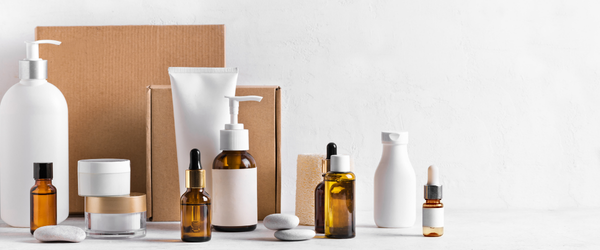
Once your hair is gone, or has thinned out, your scalp has other needs. Without hair, your scalp is no longer shielded from sun, friction, temperature, the environment and dryness. It becomes a lot like the skin on your face and body: burning easily from the sun’s UV rays, drying out quickly and becoming irritated by fabrics or seams in hats and scarves. Applying a cream or spray-on sunscreen 30 minutes before heading outdoors can be a smart idea. There are lots of great options for gentle, fragrance-free products, just check with your oncologist first.
Hair GP, a doctor-led hair loss clinic in London, England also recommends only washing your scalp and hair a maximum of two times per week in lukewarm water to avoid stripping your scalp of the natural oils it needs to stay hydrated and healthy. When you do wash your hair, choose a shampoo with a soothing and sulfate-, paraben-, phthalate-, fragrance- and dye-free formula like CeraVe Gentle Hydrating, Aveeno Oat Milk Blend or Ducray Sensinol shampoos and conditioners to avoid unnecessary irritation. These brands also have skin-soothing face and body creams too—ideal for everything from your face to your breasts and nail beds.
Your Nails
While I didn’t experience any challenges with my nails, lots of women do. At some point during treatment they can become dull, brittle and/or ridged. Sometimes dark lines appear, while occasionally a nail lifts up from the nail bed. All of this can feel as tender as it can be alarming.
A 2022 article published in the National Library of Medicine explains that chemotherapy affects these cells in the same way it affects other fast-growing cells in the body. Yet, because our nails grow slowly, the damage only shows up gradually as our nails grow out.
Research published in Medical News Today notes that between 45% and 60% of people on chemotherapy develop some form of nail change. This can be anything from mild discolouration to nails that split, tear or become sensitive to touch, making all the things we take for granted, like texting, buttoning up a shirt, scrolling on TikTok or using the can opener, feel very uncomfortable.
Keeping your nails trimmed short and moisturizing the cuticles regularly can help protect them while they go through the treatment cycle. Wearing gloves while cleaning or washing dishes is another small habit that can prevent tiny injuries around the nail bed, which is especially important when your immune system is already under strain.
Your Skin
Skin, though, is where the biggest surprises happened for me. Before cancer, my skin mostly behaved well and in a predictable way. Then treatment began and suddenly my right arm felt itchy, my face flushed way more easily and every lotion I had formerly relied on seemed either useless or irritating. My once combination facial skin became so dry that I had to moisturize it multiple times a day.
This conundrum is one of the most common skin culprits, something dermatologists call xerosis, which is the medical term for very dry skin. Chemotherapy and targeted therapies can weaken the outer layer of the skin that normally keeps moisture in and irritants out. Once that barrier is disrupted, water evaporates more easily and the skin becomes dry, flaky and sensitive. And trust me when I say, applying foundation or powder over top to hide redness was not a cute look. The products only emphasized how dry and flaky my skin was. Using Canadian brand Ilia’s Super Serum Skin Tint with SPF 40 was a better choice, as it absorbed into my skin, hydrating it and evening out my skin tone, plus, I appreciated the built-in sunscreen.
I also upped my skincare routine. I was already one of those people who use serums, undereye creams, face lotions, SPF and night creams religiously, but I had to play around to find new products with more intensely moisturizing formulas. Because for me, the dryness—especially with my underarm and breast skin—turned into itching that seemingly came out of nowhere. It’s not just uncomfortable, it hurts. The Mayo Clinic explains that when skin gets too dry, tiny cracks can form and those openings make it easier for bacteria to enter. When your immune system is suppressed during treatment, even small skin issues deserve attention. So in-between radiation appointments I slathered on layers of Wellskin’s Base Glaxal cream like it was my job.
Radiation therapy adds another layer of skin pain. An article published in the National Library of Medicine states that 95 per cent of patients receiving radiation develop some degree of skin reaction in the treated area. At first, these effects tend to look like a mild sunburn, mine did, but over time the skin may darken, peel and/or feel tender. The skin on my underarm and across the side of my breast did all of that and turned a charcoal black colour that has since faded over time, but still has a darker caste than the rest of my skin. It’s because radiation not only damaged the cancer cells, but also healthy skin cells in the treated area.
I didn’t experience this, but rashes that look suspiciously like teenage acne can also appear on your face and body. European Academy of Dermatology & Venereology says certain targeted breast cancer drugs can trigger this, and dermatologists call it an acneiform eruption. Despite how they look, they’re not like real acne which is caused by clogged pores. Instead, they happen because the medication interferes with growth signals in the skin’s hair follicles, which leads to inflammation. Because of this, typical acne skincare products can make the irritation worse. Ask your MD or oncologist to prescribe gentler treatments specifically designed for this type of rash.
The good news is none of this lasts forever. My hair slowly started growing back a few months after I finished radiation and then, more so after my years-long course of Tamoxifen. It also grew back thicker and with more of a wave than I had before. My eyelashes and eyebrows took longer and still aren’t as full as they used to be. I’ve heard that healthy nails slowly replace the damaged ones as they grow out. And my skin, it’s better now too, although the texture remains on the drier side.
Obviously, none of this was glamorous, but knowing it was “normal” and temporary in the world of breast cancer was reassuring. That’s why I’m sharing, so that you can hopefully feel some comfort knowing you’re not alone. Because yes, it happened to me too.
Adriana Ermter is a multi award-winning writer and editor. Her work can be read in IN Magazine, 29Secrets.com, RethinkBreastCancer.ca and AmongMen.com. The former Beauty Director for FASHION and Editor-in-Chief for Salon and Childview magazines lives in Toronto with her two very spoiled rescue cats, Murphy and Olive. You can follow Adriana on Instagram @AdrianaErmter


 Receive updates by email

